
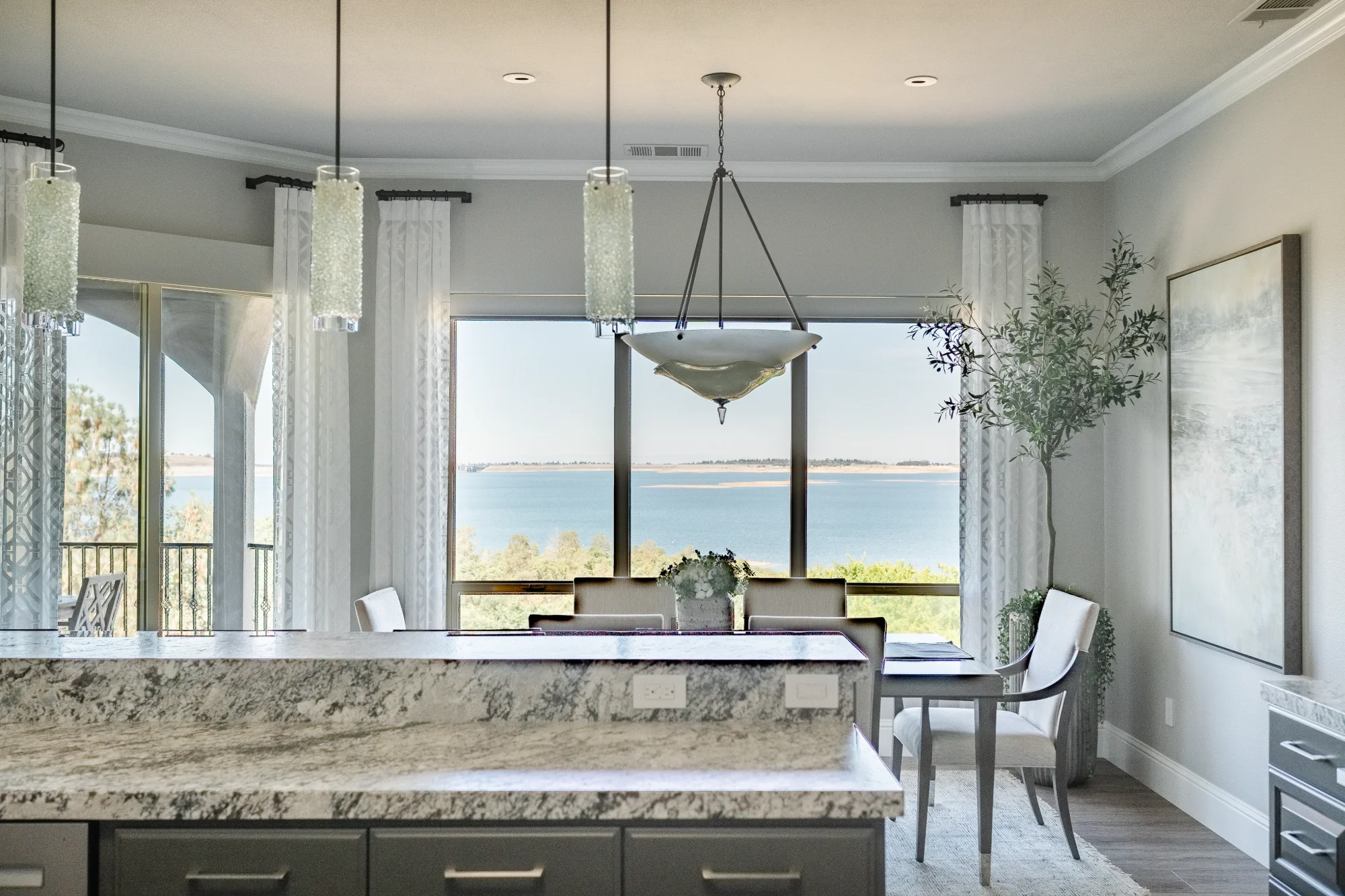
Designing for longevity means creating a home that is deeply personal to the people who live in it, thoughtfully planned for the life happening right now, and quietly built to adapt and take care of you through whatever comes next.
I was called back to a home I had designed years earlier, and the moment I walked through the door, I stopped. The family, two physicians with two young daughters, had asked me to come back to help with the bedrooms as the girls grew older. But standing there, moving through the rooms again, what struck me the most was how little needed to change.
Everything still felt completely like them: the warm, organic tones, the materials we had chosen together, and the way the space flowed. Their lives had changed over the years, but because the design had been rooted deeply in who they are, it simply kept fitting.
That feeling, walking into a home years later and finding it still right, is what I am always working toward in my work with homeowners across the greater Sacramento area. And it does not happen by chance.
It all starts with a single question I ask early in every client conversation, before a single selection is made, before we talk about finishes or layouts or fixtures:
Is this your forever home?
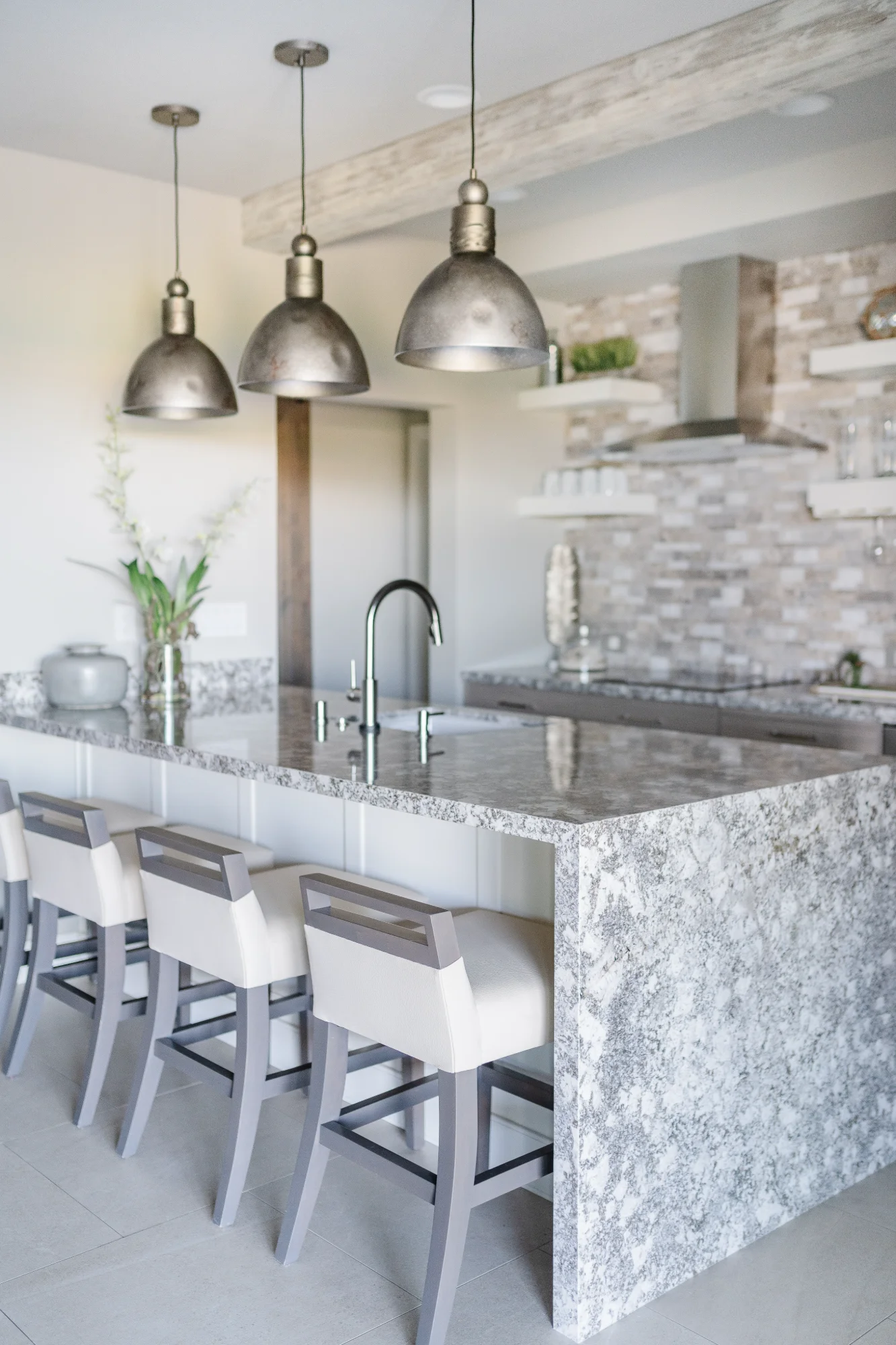
The answer shapes every decision that follows and tells me what kind of designer I need to be for you. There is no wrong answer, just two very different paths forward.
If a client tells me they plan to move in three to five years, I start thinking a little like a realtor. I will still create something beautiful, still bring in personal touches that make the space feel special and considered. But I will design with a wider audience in mind, with choices that appeal more broadly and finishes that read well to future buyers. I’ll include a few signature moments, but nothing so specific to one’s personal taste that it closes the door on the next family who walks through.
But when a client looks at me and says, this is our space for life, everything shifts. We are no longer designing for the market. We are designing for you and no one else. Your personality, your habits, the way you and your family move through each day. What follows is a completely different kind of design process, and a completely different kind of home.
From the moment we first meet, I have already started designing.
I've noticed the small, personal touches before anyone says a word. What have you held onto through every move and every change? How is your space organized, and what does that tell me? What do you reach for without thinking, what feels natural to you? People tend to surround themselves with what genuinely makes them feel good, even when they cannot articulate why. That is where my inspiration begins. Some of it I can point to. Some of it I just know.
The questions come naturally from there. How you cook, who visits, how long they stay, and whether aging parents factor into the picture. Together with everything I have already noticed, these answers give me a complete picture of how you actually live.
I'm currently designing a Moroccan-inspired coffee bar and pantry, and it started the way all my projects do, with something I noticed. On two separate occasions, I noticed her wearing the same beautiful raspberry-colored sweater. It lit her up every time she wore it. So when I found a stone with that same warm raspberry running through it, I knew immediately what the centerpiece of her coffee bar would be. It is not a color most people would choose from a catalog. It is not trending. But it is completely her, and she is going to love it for the rest of her life.
That is what I am always looking for, the detail that could only ever belong to you.
A home designed for longevity is not just a home that looks good for a long time. It is a home that works for a long time, through all the different versions of your life that will unfold inside it.
For growing families, that means thinking past today. Right now, the youngest might still be learning to walk. But in five years, they need a homework spot, and in ten, a place to disappear to with friends. Open floor plans are wonderful, but sometimes certain spaces need to offer privacy, too. I think about all of those versions of your family before we finalize a single room.
Some of my most meaningful projects have been the ones I've gone back to. I designed a child's bedroom, then came back when she was a preteen, and came back again when she was heading off to college. Watching a space grow alongside a person is one of the most rewarding parts of this work. It is also a reminder that good design leaves room for life to change.
I think about aging-in-place from the very beginning of a project, even when it is the last thing on a client's mind. It does not mean designing a space that looks or feels clinical. It simply means making smart decisions early that will take care of you later.
One thing I have done throughout my entire career, regardless of whether a client asks for it, is brace the shower walls for future grab bars. I give the contractor a simple plan showing exactly where to add the blocking inside the walls. The grab bars do not go in right away. Most clients do not need them right away. But the infrastructure is there, ready, at a fraction of the cost of adding it later.
Early in my career, a client was upset when I suggested adding grab bars. She felt I was implying something she was not ready to hear. I explained that it was simply good planning, that it would not affect the look or feel of the finished bathroom in any way, and that it was there in case she ever needed it. About six months later, she called me. She had fallen, broken her hip, and needed those grab bars immediately. We were ready.
You do not have to be older to benefit from that kind of thinking. A car accident, an injury, a health change, life is unpredictable. Building in that quiet infrastructure from the start is one of the kindest things you can do for your future self.
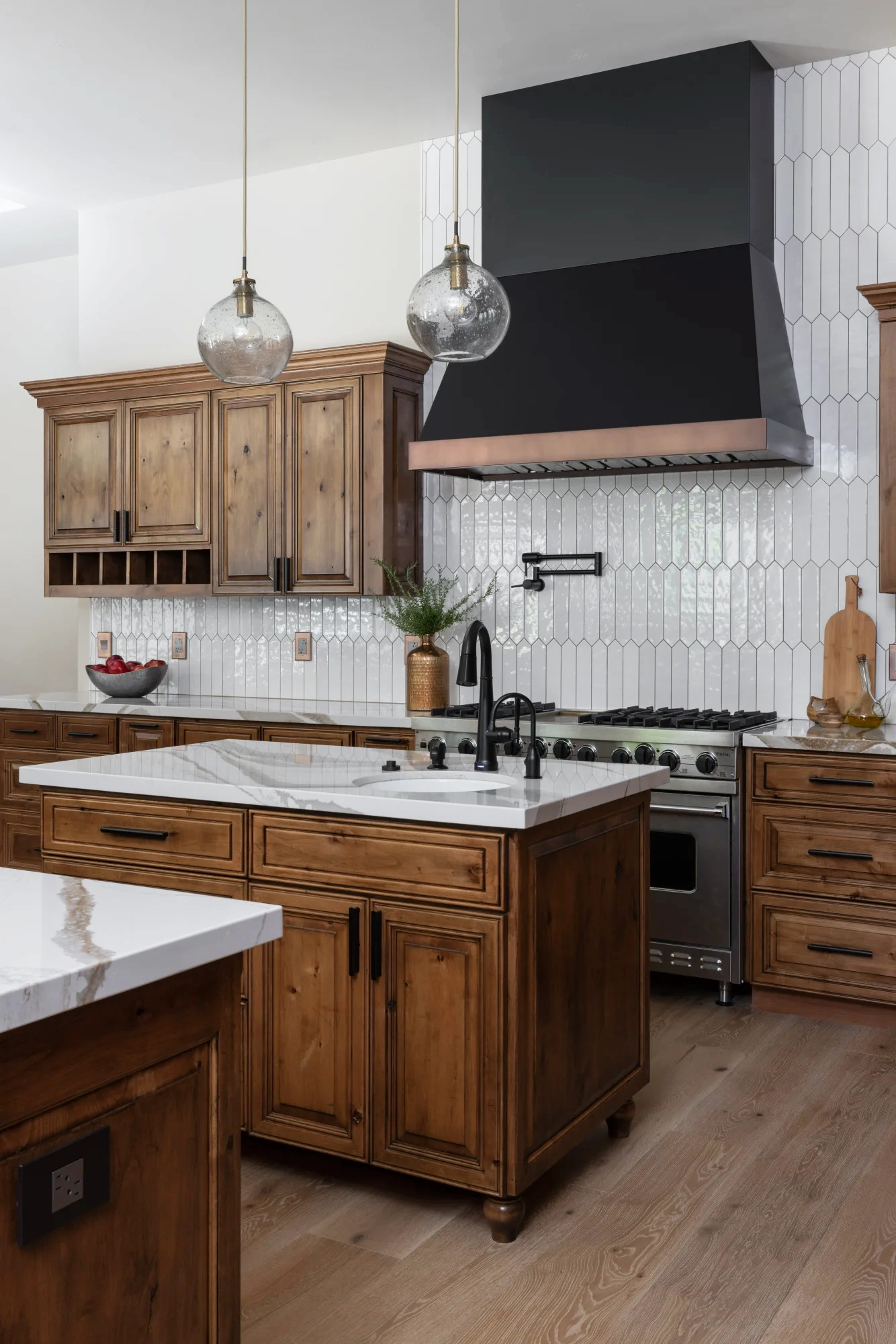
There is no better measure of a design than returning to it years down the road.
There is another client I think about often, someone whose home I designed nearly two decades ago. I went back recently because she had a small issue with a cabinet pull-out, and when I walked through the door, I was struck by how beautifully she had maintained everything. The space still looked as though I had just finished it. The layout still worked perfectly. The choices we had made together still felt right. Standing there, I could not find a single decision I would make differently.
And then there is a client I have worked with since I came back from my honeymoon. She was my very first project. Every year, on my wedding anniversary, she sends me a message. Not about design, not about her home. Just to mark the day, because it is our anniversary too. When I visit her home, every accessory is still exactly where I placed it. She has lived beautifully inside it for years, and the home has met her every step of the way.
That is what designing for longevity looks like from the inside. Not a home frozen in a particular moment. A home that keeps being exactly what it was always meant to be.
Designing for longevity is not about permanence. It is about fit. A home that fits your life today, adapts as your life changes, and quietly looks after you along the way.
When it is done well, you do not have to think about it. You just walk through the door and feel at home. Years from now, you still will.
If you are planning a renovation or thinking about a new home in the greater Sacramento area and want to talk through what designing for the long term could look like for your family, we would love to connect. Reach out to schedule a discovery call, and let's start that conversation.